
When Australian Birds Become Invasive
Australian invasive birds are not usually the first thing we think about when talking about introduced species. In Australia, we often focus on rabbits, foxes, cane toads and the birds introduced here through acclimatisation societies and colonial expansion. Starlings, Common Mynas, Blackbirds and Sparrows all arrived with very human ideas attached to them, familiarity, pest control and reminders of home.
History is full of humans moving species around the world without fully understanding the long-term effects. Australia has spent decades dealing with the environmental consequences, but the story also works in reverse. Some Australian birds have crossed oceans, established themselves overseas, and created very different reactions depending on where they landed.
We found two stories across the Pacific that could not be more different. But, first up, why do birds become invasive?
Why Birds Become Invasive
A bird becomes invasive when it establishes outside its natural range and begins affecting local ecosystems, agriculture or native wildlife. The issue is not simply that a species survives somewhere new. It is what happens when it competes for food, nesting space or territory in a place that did not evolve alongside it.
Rainbow Lorikeets in New Zealand
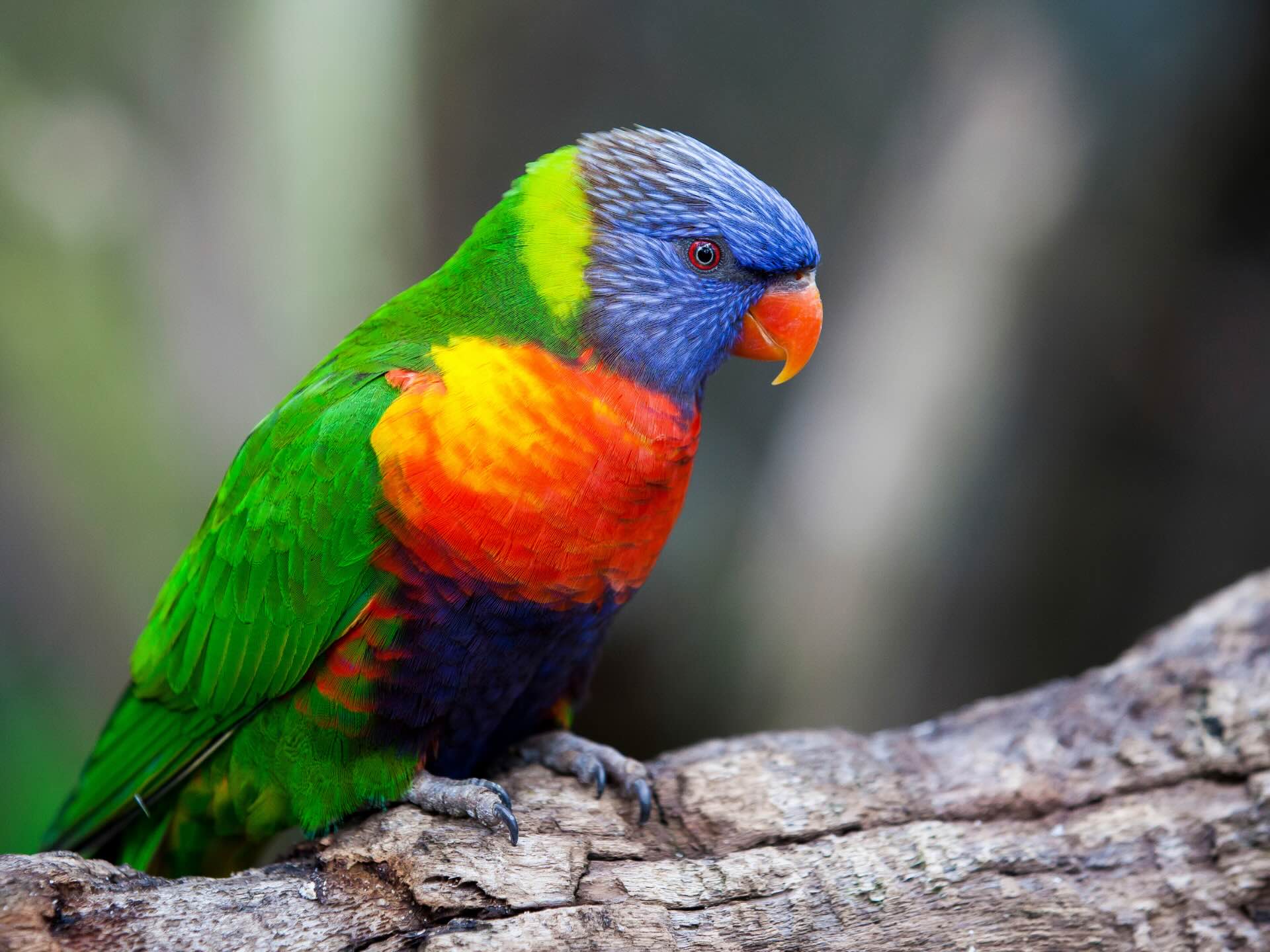
In Australia, Rainbow Lorikeets are almost background noise. Recently voted the country’s most commonly counted bird in the Aussie Bird Count, for many Australians they are simply part of everyday life.
But across the Tasman, the story became very different.
Rainbow Lorikeets began appearing in New Zealand largely through escaped and illegally released aviary birds during the 1990s. Over time, populations established themselves (up to 200 birds) around Auckland and surrounding regions.
Lorikeets are highly intelligent, aggressive and adaptable. They thrive around urban environments, much like many of the species encountered through urban birding across Australian cities. They are also known to spread disease among parrots and can damage fruit crops and orchards in high numbers.
In Australia, ecosystems evolved alongside them. In New Zealand, they arrived as outsiders entering an incredibly delicate ecological system.
And interestingly, New Zealand is not the only place where Rainbow Lorikeets have raised concern outside their natural range.
Within Australia itself, the species has also established populations in parts of Western Australia, particularly around Perth, where they were historically not native. Like New Zealand, concerns quickly emerged around competition with local bird species, especially pressure on available nesting hollows.

Back to New Zealand, they take biosecurity more seriously than almost anywhere else in the world, and for good reason. Many of its native birds evolved in isolation, with unique ecological relationships and limited natural defences against introduced predators and competitors.
So when Rainbow Lorikeets began establishing breeding populations, authorities moved quickly.
The species was classified as an “Unwanted Organism” under New Zealand law, with eradication programmes targeting wild populations before they could spread further. By 2014, officials declared the eradication effort successful.
That makes the Rainbow Lorikeet a more recent example of an Australian bird treated as invasive overseas. The next story is different again, the Australian Magpies of Fiji.
Why Island Ecosystems Are So Vulnerable
Island ecosystems often evolve in isolation. That means many native birds develop without the same predators, competitors or diseases found elsewhere. When a new species arrives, even one that seems familiar or harmless in its home range, it can change the balance quickly.
The issue is rarely just one bird. It is competition for nesting hollows, pressure on food sources, disease risk, territorial behaviour and the way introduced species can spread through landscapes that have not evolved alongside them.
That is why introduced birds can be treated very differently depending on where they land. In one place, they may feel like part of everyday life. In another, they can become a serious biosecurity concern.
The Tropical Australian Magpies of Fiji
Unlike the accidental spread of lorikeets through the pet trade, Australian Magpies were intentionally introduced into Fiji during the early 1900s. Historical accounts suggest the birds were brought in as part of pest control efforts, particularly to help reduce insect populations affecting coconut plantations and agricultural land.
Like many species introductions throughout history, the idea probably sounded sensible at the time.
Bring in a clever bird that eats insects. What could go wrong?
Over time, Australian Magpies established themselves across parts of Fiji, particularly on the main island of Taveuni, adapting to farms, towns and open landscapes.
The same bird Australians associate with cold winter mornings, football ovals and swooping season now perched among tropical palms and island heat.
But unlike Rainbow Lorikeets in New Zealand, Australian Magpies in Fiji do not appear to trigger the same level of national ecological alarm.
That does not mean there are no downsides.

Magpies remain highly territorial, aggressive and opportunistic birds. They can dominate feeding areas, displace smaller bird species and prey on eggs or chicks. Researchers and conservation observers have raised concerns about their possible impact on native birdlife and local ecosystems, particularly because island ecosystems are often highly sensitive to introduced species.
Yet despite those concerns, the birds have also become a familiar part of the landscape in some regions of Fiji, despite never originally belonging there.
And that may be one of the strangest things about introduced wildlife.
The longer a species stays somewhere, the more natural it begins to feel, even when it never originally belonged there.
What Introduced Birds Tell Us About Belonging
Birds don’t recognise countries.
They follow food, habitat, weather and opportunity. Humans are usually the ones moving them across oceans, intentionally or accidentally, then deciding whether they belong once they arrive.
What makes the stories of Rainbow Lorikeets in New Zealand and Australian Magpies in Fiji so interesting is not simply that Australian birds exist overseas. It is how differently they are viewed once they arrive.
Both remind us how fragile ecosystems really are, particularly on islands where even small environmental changes can reshape entire ecological relationships.
But they also reveal something else. How quickly humans normalise the unfamiliar.
Eventually, birds that once arrived from somewhere else stop feeling foreign at all.
At LYFER, bird awareness sits at the centre of what we do, because understanding birds also means understanding the places, histories and human decisions that shape their lives.