
Why our largest eagle needs Tasmanian forests to remain
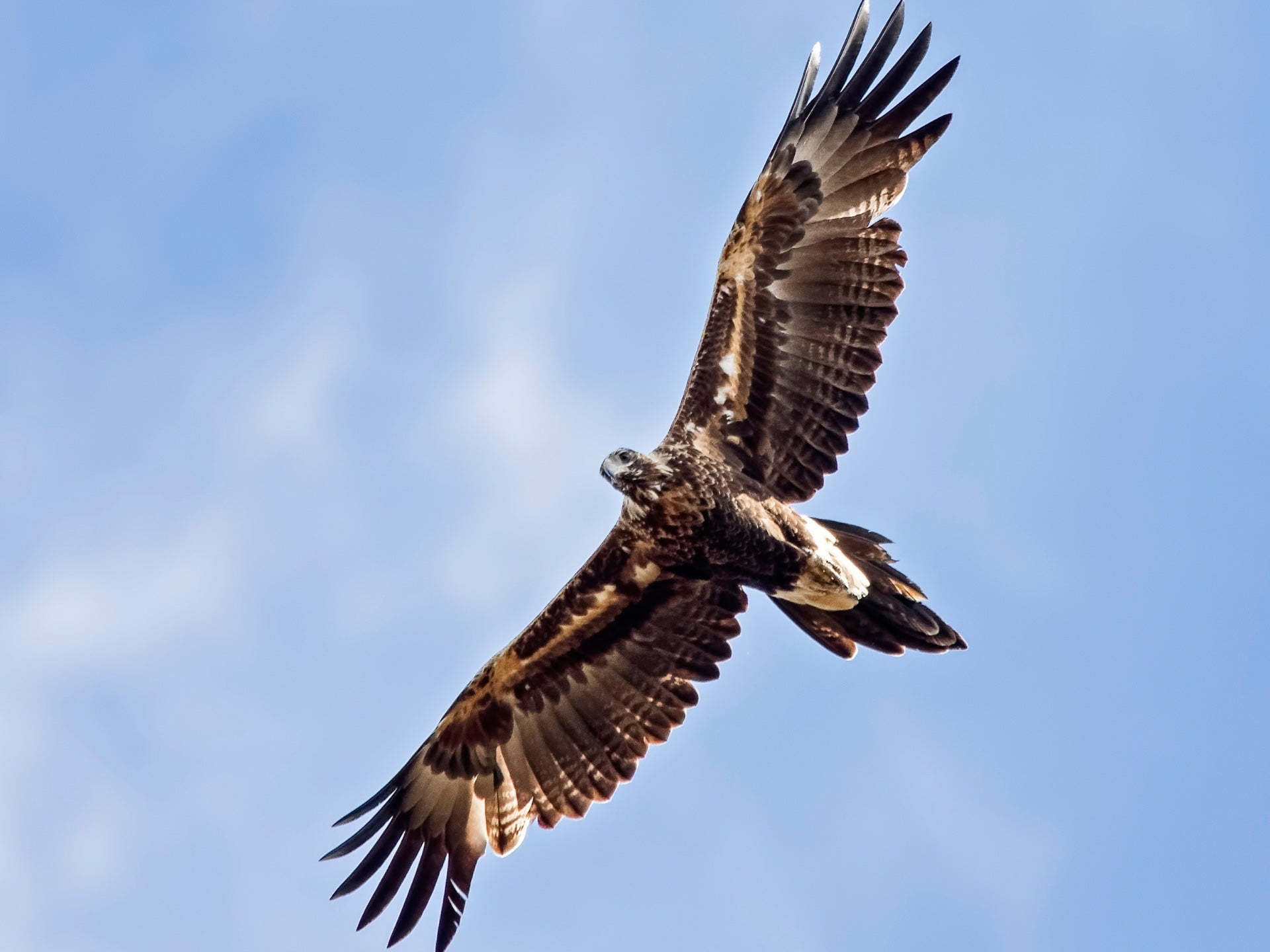
Some birds blend happily into a landscape while others near define it. The Tasmanian Wedge-tailed Eagle falls into the second category. As Australia’s largest eagle and a distinct island subspecies, it exists only in Tasmania. When you see one, usually high and commanding the skies, there is no mistaking one.
This subspecies, Aquila audax fleayi, is officially listed as Endangered. With only a few hundred mature birds left, it’s among the rarest eagles on the planet. It has survived fire, drought and generations of change, but today its future is tied to something far more human, the fate of Tasmania’s native forests.

Unlike its mainland cousin (Wedge-tailed Eagle), the Tasmanian Wedgie relies heavily on mature and old-growth eucalypt forest. Tasmania’s old-growth eucalypt forests are genuinely extraordinary, even by global standards. What makes them fascinating isn’t just their age, but how much life, time, and complexity they hold.
Many of Tasmania’s old-growth eucalypt forests have been growing, largely undisturbed, for 300 to 500 years or more. That uninterrupted time allows complex forest systems to develop, including massive tree hollows, layered canopies, deep and carbon-rich soils, and stable microclimates. These slow-forming features are what give old-growth forests their ecological strength, and they simply can’t be replaced on human timescales once lost.
Back to our Tasmanian Wedgies, breeding pairs choose the tallest, strongest trees in the landscape, giants that may be two centuries old or more. A single territory can contain several nests, each one a massive structure rebuilt year after year, often for decades. Some nests have been used for half a century.

Unfortunately, these eagles don’t breed quickly. Most pairs lay one egg per year at most, and many attempts fail. In reality, a successful chick every one or two years is normal. For a population this small, that slow rhythm of reproduction means every nest tree has outsized importance. Every breeding season is incredibly important for the species.
So, here’s the first challenge: most known nest sites aren’t in national parks or protected reserves. They’re on State Forest and private land, the same places where native forest logging continues or is proposed.
Recovery plans note that a significant proportion of recorded nests occur in areas managed for timber production. In recent years, logging proposals have included coupes containing multiple mapped eagle nests. Even when a nest tree itself isn’t removed, the forest around it, the habitat structure the species depends on, can be altered or fragmented.
Despite their size and power, the Tasmanian Wedgie is extremely sensitive during breeding. Research and government guidance are consistent: repeated noise or activity close to a nest can cause a pair to abandon their attempt altogether. This includes machinery, trucks, chainsaws, and frequent human presence.
The risk is highest during the breeding season and increases the closer the disturbance is to the nest tree. And if a nest fails, the pair doesn’t get another chance that year. So it’s obvious that these mega raptors simply cannot recover from repeated disturbance and habitat loss.

Tasmania’s forestry system does recognise the risk. The Forest Practices Authority provides rules for nest searches, seasonal buffers, and limits on activity near known nests. These tools exist because the risks are real, and because even forestry planners are required to consider the eagle’s vulnerability.
But regulation can only reduce risk, it can’t remove it. A subspecies with a population this small has almost no margin for error. Losing a nest tree, disrupting a breeding attempt, or altering the structure of a territory has serious consequences.
When people talk about native forests, the conversation often drifts into abstractions: timber supply, industry, jobs, conservation. But for the Tasmanian Wedge-tailed Eagle, these forests are not a backdrop to a debate. They are the core of the species’ survival.
Old eucalypt forests hold the nest trees. They buffer nests from wind and weather. They hold hollows for prey. They shape the territory that keeps a breeding pair anchored to the same valley year after year. In a place where the landscape has already changed enormously, these patches of older forest are the final, irreplaceable anchors of the eagle’s range.
Logging doesn’t need to target a specific nest to matter. It only needs to reduce what surrounds it.

At LYFER, our position is simple: if a forest holds the future of an endangered species, it should remain intact. Logging native forests, the forests that contain century-old nest trees and the habitats this subspecies needs, comes with risks that cannot be undone.
And those risks fall hardest on species that don’t have time and numbers on their side.
For us, the line is clear:
When an endangered species depends on native forest, protecting that forest is the only responsible choice.
The Tasmanian Wedgie has lived in these landscapes long before any conversations about logging or conservation existed. Its survival now depends on decisions made in the next few years. The Tasmanian Wedgie needs quiet forests, safe nest sites, and old trees left standing for another generation of eagles to take their place.
This is what we need to protect.
Because in the end - It’s all about the birds.