

Article: Built for Winter: How Birds Keep Warm
Built for Winter: How Birds Keep Warm
The remarkable ways birds stay warm when temperatures fall.
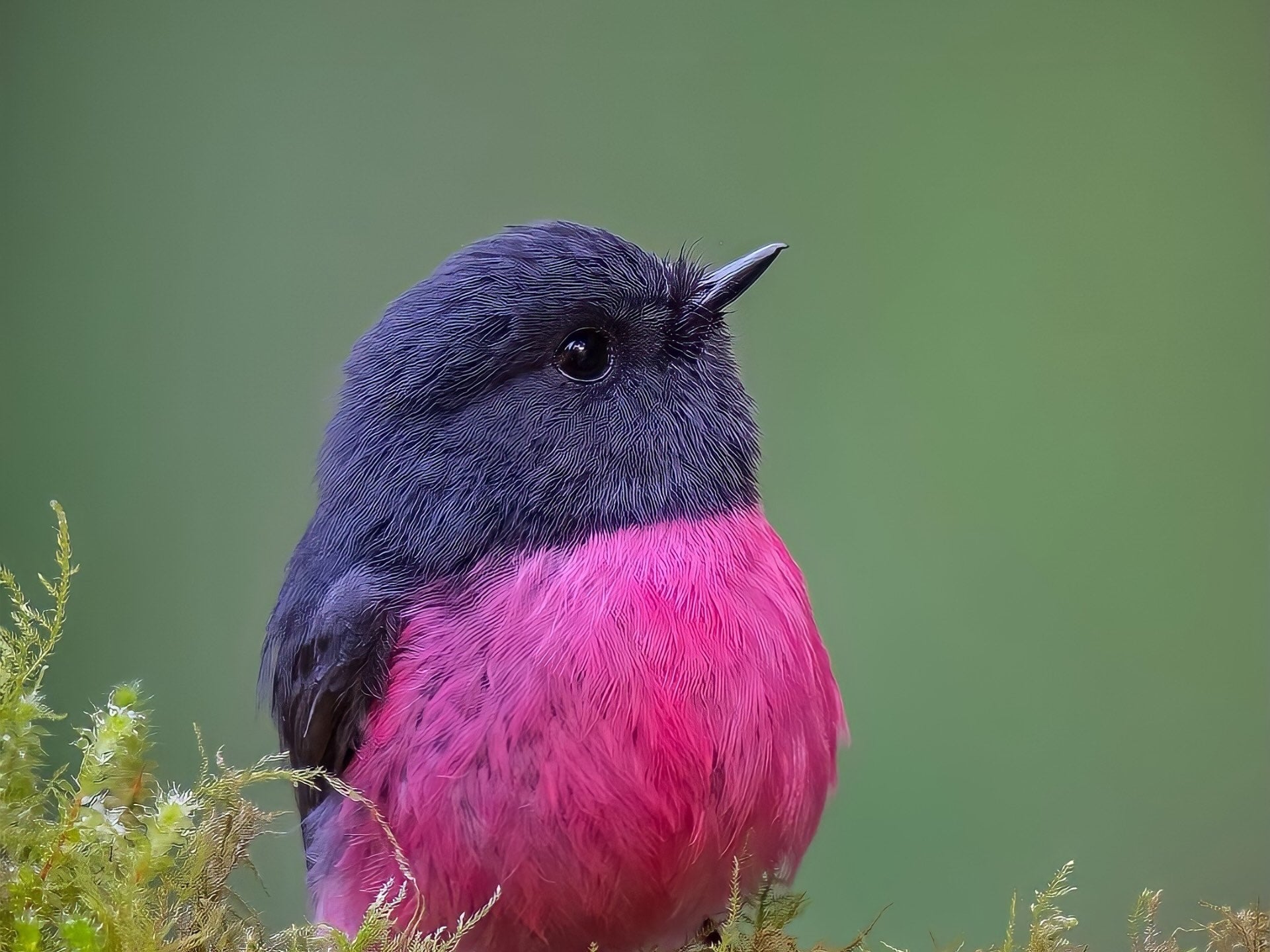
On a cold winter morning, birds can appear especially vulnerable. A small bird perched on an exposed branch may weigh little more than a AAA battery, yet it faces wind, rain and falling temperatures without the layers available to us.
Look more closely, however, and that bird may be far better prepared than it seems.
Birds are warm-blooded animals with body temperatures generally higher than our own. Maintaining that warmth takes energy, but they have evolved an impressive collection of adaptations to survive the cold.

Turning up the fluff
One of the most visible signs of a bird keeping warm is also one of the simplest: it fluffs up.
Raising its feathers traps pockets of air. The bird’s body warms this air, creating an insulating layer that slows heat loss, much like the filling inside a puffer jacket.
Soft down feathers hold warmth close to the skin, while outer feathers protect against wind and moisture. This is why a bird can suddenly appear much rounder on a cold morning.
Maintaining the winter coat
Birds preen to clean their feathers, remove debris and realign the tiny structures that hold each feather together. Many species also spread natural oils across their plumage.
This keeps feathers properly layered, water-resistant and able to trap warm air. In winter, staying dry can be just as important as staying warm.
An internal heating system
Feathers preserve warmth, but the bird must first produce it.
Birds have fast metabolisms, turning energy from food into movement and heat. When temperatures drop, many also shiver. These rapid muscle contractions generate extra warmth beneath their plumage.
Small birds lose heat more quickly than larger animals, so their tiny bodies must work especially hard through a cold night.

Food becomes fuel
Seeds, fruit, nectar, insects and other foods provide the energy needed to power a bird’s metabolism. As the weather gets colder, birds often need more food just as natural resources become harder to find.
Many spend much of the day foraging, particularly before dusk. Some store food, change their diets with the seasons or build small fat reserves.
Every successful meal helps keep the internal furnace burning.
The cold-feet problem
A bird’s feet and legs are often exposed. So why don’t they freeze?
Birds allow their feet to remain cooler than the rest of their bodies, reducing heat loss. Many also use a system called countercurrent heat exchange.
Warm blood travelling towards the feet passes beside cooler blood returning to the body. Heat transfers between the two, allowing warmth to be recovered before it escapes.
Birds may also stand on one leg, pull a foot into their belly feathers or sit over both feet. Tucking the bill beneath the shoulder feathers protects another exposed area.

Getting out of the weather
Sometimes the best solution is simply to find shelter.
Wind can remove warm air trapped within feathers, while rain can reduce their insulating ability. Dense shrubs, tree hollows, cavities, reed beds and sheltered branches all offer protection.
Once settled into a roost, a bird may fluff its feathers, lower its body over its feet and tuck its head into its plumage.
Warmth in numbers
For some birds, winter roosting is communal.
Groups may gather in sheltered places, sometimes sitting closely enough to share warmth. Communal roosts can also offer protection from predators and help birds locate food the following morning.
Surviving winter is not always a solitary exercise.

Turning the thermostat down
Some species conserve energy by temporarily lowering their body temperature.
This controlled state, known as torpor, slows the heart rate, breathing and metabolism, reducing the fuel needed overnight. Other birds make smaller drops in temperature without entering full torpor.
A colder bird is slower to react and must use energy to warm again, but in difficult conditions, lowering the internal thermostat can help it survive the night.
Built for winter
No single adaptation keeps a bird warm.
Winter survival comes from combining many strategies: trapping air within feathers, maintaining plumage, generating heat, finding food, protecting exposed limbs, choosing sheltered roosts and conserving energy.
These abilities do not make winter easy. Cold weather, scarce food and habitat loss can still place enormous pressure on birds.
Yet the next time you see a little bird puffed into a ball on a cold morning, remember what is happening beneath those feathers!
Its body is producing heat. Its plumage is holding that warmth close. Its circulation is reducing what escapes through its feet, while its behaviour carefully preserves energy.
What appears fragile is, in fact, remarkably well equipped.
Small, feathered and resourceful, birds truly are built for winter.