
10 Questions Everyone Still Asks About Birds - Answered!
Birds are everywhere, yet for creatures we see almost every day, they still manage to feel mysterious.
If you’ve landed here after typing a bird question into Google or asking AI, welcome. You’re in the right place. Or maybe you’re the person people turn to once they find out you’re into birds, suddenly firing questions your way and sending blurry photos like you’re the next living Merlin ID.
We’ve found the same bird questions come up again and again. Some answers sound simple, but open the door to incredible science. Others make you realise how much is happening right beside us.
Here are ten questions people still ask about birds, answered simply and clearly. Let’s go.
1. Where do birds go at night?
Most birds head to safe sleeping spots called roosts. That could be dense trees, reeds, cliffs, roof spaces, or tucked branches protected from weather and predators.
Many songbirds become quiet before sunset, then settle into the same reliable areas each evening. Waterbirds may raft together on water. Parrots often gather in noisy communal roosts before suddenly going silent.
They are not disappearing. They are just clocking off.

2. Why do birds sing in the morning?
That burst of sound at dawn is known as the dawn chorus. Morning air is calm & sound travels well.
Birds sing at this time to defend territory, attract mates, reconnect with partners, and announce they made it through the night!
In short, the morning soundtrack is business, romance, and neighbourhood updates.
3. Do birds sleep, and how?
They do, and some sleep in ways that feel almost surprisingly sophisticated.
Many birds tuck their heads, fluff feathers for warmth, and perch using tendons that lock their feet in place. Some waterbirds sleep while floating.
What is even more impressive is certain species can rest one half of their brain at a time, keeping one eye open for danger
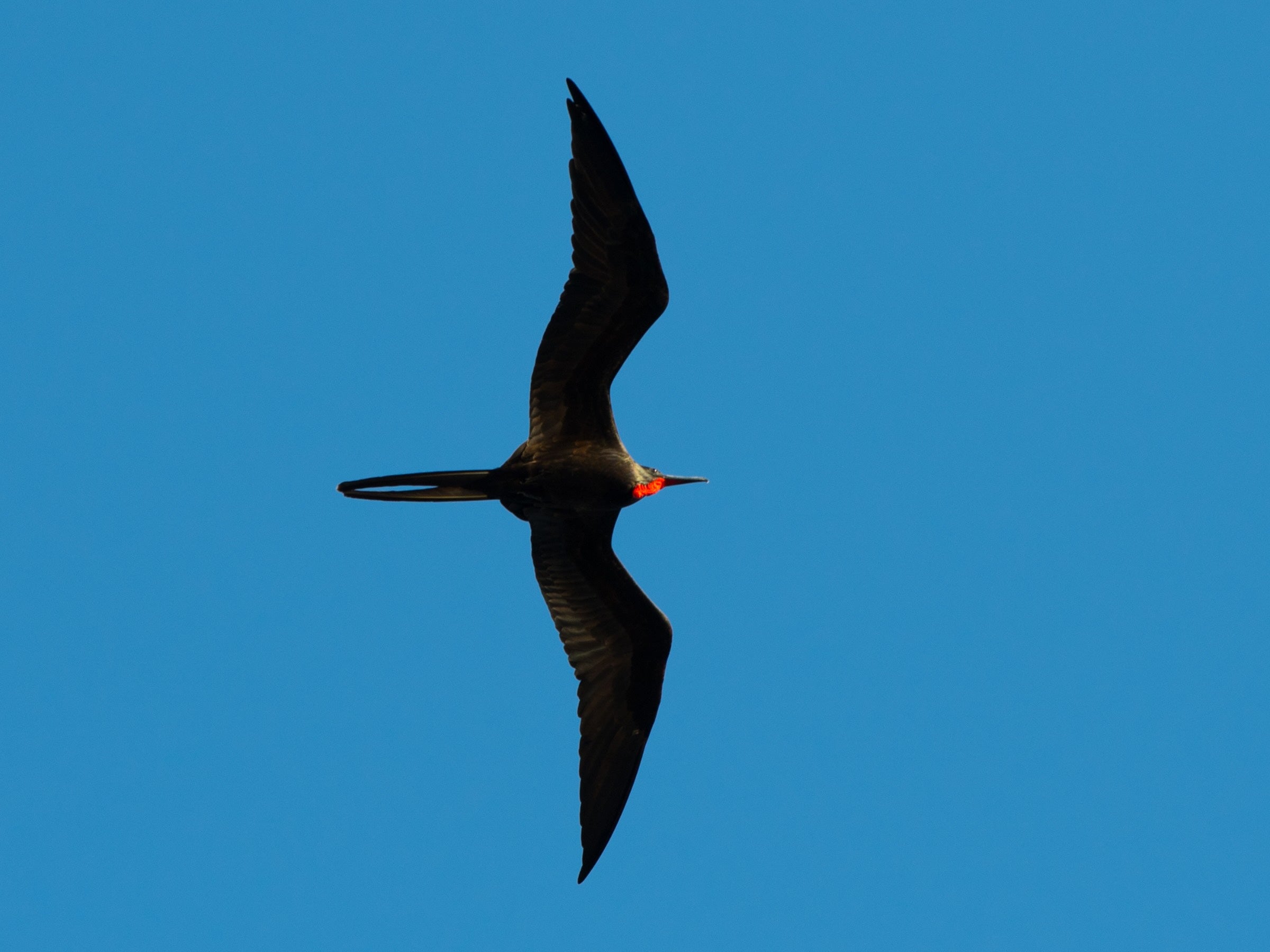
And yes, scientists have verified that some birds, such as Great Frigatebirds, can briefly sleep while flying during long journeys.

4. Why do birds suddenly go quiet?
Usually because something changed.
A predator may be nearby. Weather may be shifting. Light levels can change behaviour. Feeding may become the priority. Birds also pause or rest between active periods during the day.
When the bush goes silent, experienced birders pay attention. Silence can be an indication something is happening.
5. Do birds recognise people?
Some absolutely do.
Research shows species such as Ravens, Australian Magpies, Pigeons, and Gulls can recognise individual human faces or behaviours. They learn who feeds them, who ignores them, and who causes trouble.
So yes, there is every chance your local Australian Magpie family knows exactly who you are. Careful what you say and do, they are all over you!

6. Why do some birds swoop people?
Usually to protect nests or young during breeding season.
To the bird, you may simply be too close. Swooping is often a warning designed to drive threats away, it’s not random aggression.
Most birds stop once the breeding period ends. If you’re getting swooped, a helmet may help, but respecting their space works even better.
Remember, you're on their turf!
7. Where do birds go when it rains?
Depends on the species and the weather.
Many shelter in dense foliage, under branches, inside cavities, or against trunks where wind and rain are reduced. Others keep feeding if the rain is light.
Seabirds and waterbirds are often less bothered by the rain.
8. How do birds know where to migrate?
Migration is one of nature’s greatest feats.
Birds use a mix of instincts, landmarks, the sun, stars, smell, memory, and even Earth’s magnetic field. Young birds of some species migrate without ever being shown the route.
The Arctic Tern holds the record, travelling up to around 70,000 km a year between the Arctic and Antarctic.

9. Why are some birds always in cities?
Cities can be surprisingly useful habitats for birds.
There is food, water, warmth, nesting spots, artificial light, gardens, and fewer natural predators in some areas. Certain birds adapt brilliantly to human spaces.
Species such as pigeons, mynas, gulls, ravens, magpies, lorikeets, and kestrels in the right places.
Cities are ecosystems too.

10. What makes a bird stay in one place?
If a bird has reliable food, safe shelter, breeding opportunities, and a territory worth defending, there may be little reason to leave.
Many birds are residents all year round. Others move seasonally, nomadically, or only when conditions demand it.
And there you have it. Yep, the bird world is full of questions, and that curiosity is a big part of what keeps us all looking. These were some of the ones we hear most often, but we know there are plenty more. What bird questions do you get asked all the time? Share them in the comments below, and better yet, give us your answer too.
Did you find us through a bird question? Explore more stuff about birds at the Avian Journal homepage and if youre after some practical guides, weve written our own take on the world of birding over at the Modern Birders Guide.