
Monoculars vs Binoculars: What’s the Difference for Birding?
At LYFER LIVE events that we take part in across Australia, one question keeps coming up. People pick up a pair of the NOCS binoculars, then they pick up a monocular, then they look at us with that very fair expression that says: “Alright, what’s the actual difference?”
It makes sense. They both help you see things far away and they both look like they should help you spot a bird sitting somewhere and they are obviously one half of the other.
But while binoculars and monoculars do a similar job, they are not quite the same thing. More importantly, it is more of a question that they do not always suit the same kind of bird.
So, in response to all those market visits and curious questions, here is a simple breakdown of the difference between using monoculars and binoculars for birding, and where each one comes into its own.
First, the simple difference
The easiest way to explain it is this and the most obvious:
Binoculars use both eyes. Monoculars use one. That one difference changes more than you might think.
Binoculars give you a two-eye view, which usually feels more natural, more immersive and more comfortable over longer periods. Monoculars give you a one-eye view, which makes them smaller, lighter, simpler and easier to carry around.
Neither is automatically “better” in every situation. It really depends on how you bird, where you are going, and whether you are heading out with birding as the whole plan or just want something nearby in case a bird decides to appear and you MUST have your bins on hand.

How Do Binoculars Work?
Let's recap. Binoculars are essentially two small optical barrels working together. Each side magnifies the view for one eye, and when everything is lined up properly, your brain brings those two views together into one clear image.
Most birding binoculars have a focus wheel, eyecups, objective lenses and a diopter adjustment, which helps balance the view between your left and right eye.
We have already covered the full setup in our guide, Volume 1, How To Start Birdwatching, so we will not go too deep into the “how to use them” side here. That article is the better place to start if you want help with focusing, adjusting them to your eyes and actually finding the bird through the glass rather than waving your binoculars around in a state of panic.
For this journal, the important thing is this: binoculars are designed to give you a steady, comfortable and more complete viewing experience.
That is why they are still the main tool for most birders.

How Does a Monocular Work?
A monocular is a little like one half of a binocular.
It has one optical barrel, one eyepiece and one viewing path. You use one eye to look through it, and it magnifies the subject in much the same basic way.
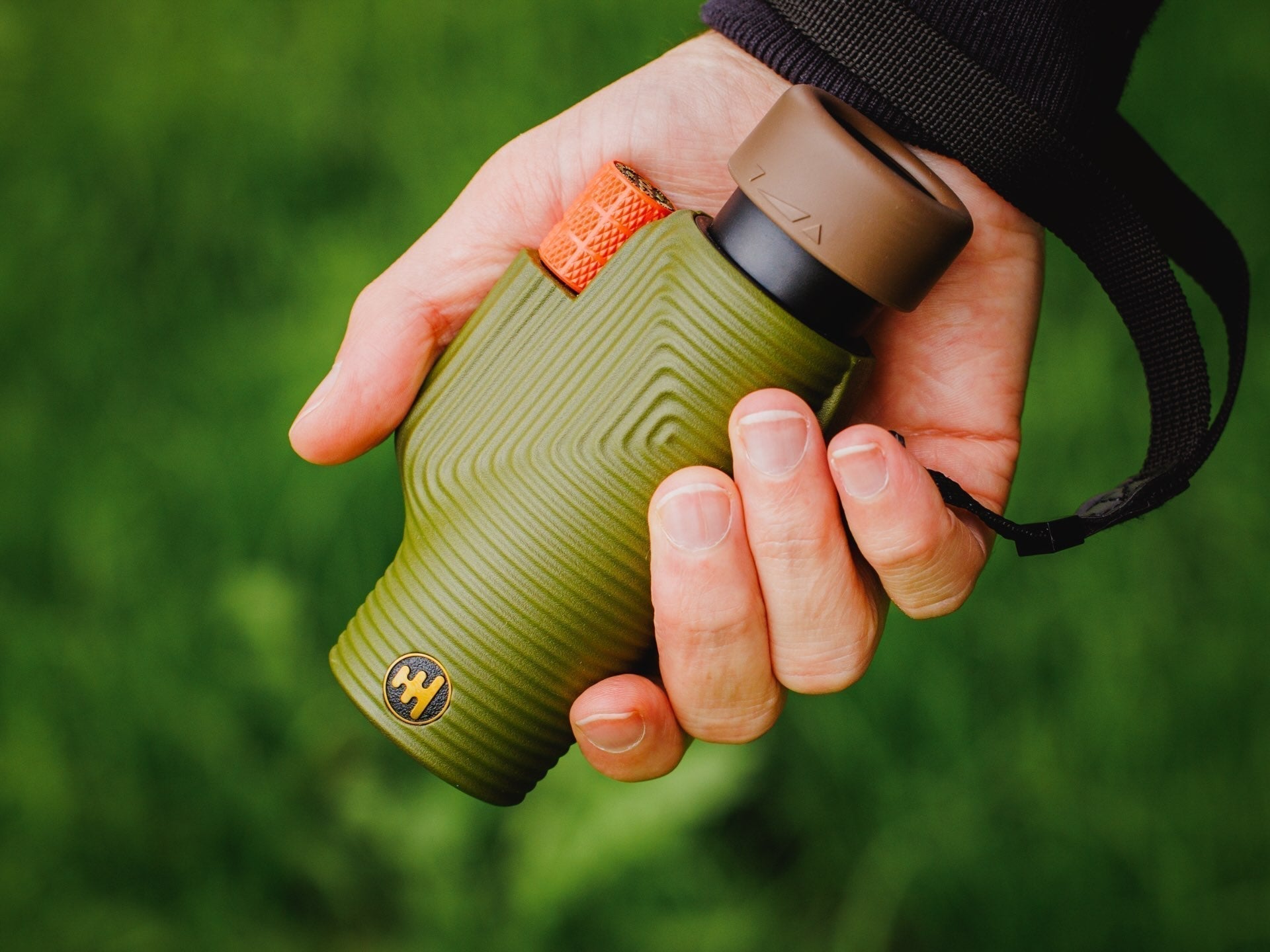
Because there is only one barrel, monoculars are usually much smaller and lighter than binoculars. They can slip into a jacket pocket, tote, glovebox or travel bag without feeling like you are gearing up for an expedition.
That is part of their charm.
A monocular is less about replacing binoculars and more about making magnified viewing easier to have with you in the first place.

Where Binoculars Are Better for Birding
For dedicated birding, binoculars are usually the more complete tool.
Using both eyes makes the view feel more natural. It is easier to settle into what you are seeing, scan across a wetland, follow movement in the trees, or spend longer watching a bird without feeling like one eye is doing all the work.
Binoculars are especially useful when you are:
-
heading out specifically to bird
-
spending a few hours in the field
-
scanning wetlands, coastlines, grasslands or open areas
-
watching small birds moving through trees
-
trying to identify birds by shape, colour, movement or behaviour
They also tend to feel more stable once you get used to them. Because you are using both eyes, there is a greater sense of depth and comfort. This can make a big difference when you are watching a bird for more than a few seconds.
If you are starting to bird more regularly, binoculars are usually where we would point you first. They are the classic birding tool for good reason.
Where Monoculars Are Useful
Monoculars are brilliant when you want something lighter, quicker and easier to carry.
They make sense for the kind of birding that slips into life rather than taking over the whole day. A walk through a park. A run through a park for that matter! A trip where you want to pack light but still have something useful with you.
A monocular is often the optic you actually have on you.
And that’s important, because the best bit of gear is often the one that is nearby when the moment happens.
Monoculars are useful for:
-
everyday walks
-
travel
-
city birding
-
keeping in a bag or car
-
casual hikes
-
parks, gardens and lookouts
-
beginners who want something simple
-
kids
-
those quick “what bird is that?” moments
They are also great for people who are curious about birding but not ready to carry binoculars around just yet. There is something very approachable about a monocular. It does not feel too serious. It does not ask much of you. It just sits there quietly until you need it. Let’s call them the polite gear for birders.

Monoculars for the Modern Birder
This is where monoculars fit beautifully into the way many people are birding now.
Not every birding moment starts with a planned trip, hiking boots and a packed lunch. Sometimes it starts because you noticed a bird on the way to coffee. Or while walking through a city garden. Or when something flashed across the path and your brain said, “Hold on, what was that?”
That is very much the spirit behind the Modern Birders Guide and the way we think about birding at LYFER.
Birding does not always have to be remote, technical or highly planned. It can be folded into where you already are. It can happen in the city, in a local park, on holiday, near water, near home, or during the kind of ordinary day that suddenly becomes less ordinary because a bird turned up.
A monocular suits that kind of birding. It is compact enough to bring along without making a big announcement about it.
Why Having Both Can Make Sense
You do not need both binoculars and a monocular to enjoy birding.
But they do play different roles.
Binoculars are for when you are going birding.
A monocular is for when birding finds you.
That is probably the simplest way to look at it.
If you are heading to a wetland, joining a walk, travelling somewhere known for birds, or spending a few hours outside with birding in mind, binoculars will usually give you the better experience.
If you are heading out for the day and want something small nearby just in case, a monocular makes a lot of sense.
One is the main tool. The other is the everyday companion.
So, Which One Should You Choose?
Choose binoculars if you want the best all-round option for birding. They are more comfortable for longer viewing, easier to use with both eyes, and better suited to scanning, tracking and identifying birds.
Choose a monocular if you want something compact, lightweight and easy to carry. It is ideal for travel, casual walks, urban birding and quick moments of curiosity.
Choose both if you want a proper birding setup, but also want something small enough to keep close when you are not officially “going birding”.
Whether you are using two eyes or one, the point is the same: to see a little more of what is already around you. Happy birding!