
Article: Birdwatching in Ubud and beyond: Discovering the island beyond Its Familiar Attractions
Birdwatching in Ubud and beyond: Discovering the island beyond Its Familiar Attractions
Beyond the temples, rice terraces and bustling streets of Ubud, there's another side to Bali waiting to be discovered. And the birds might just be the perfect way to find it.
For most of us, Bali brings to mind beautiful beaches, lush rice terraces, incredible food, ancient temples and a culture unlike anywhere else. And, yes this much is true, It’s a destination that Australians in particular have come to know and love.
But beyond the familiar attractions, Bali is also home to a fascinating variety of birds, from colourful Kingfishers and tiny Munias to forest dwellers, migratory visitors and one of the rarest birds in the world.
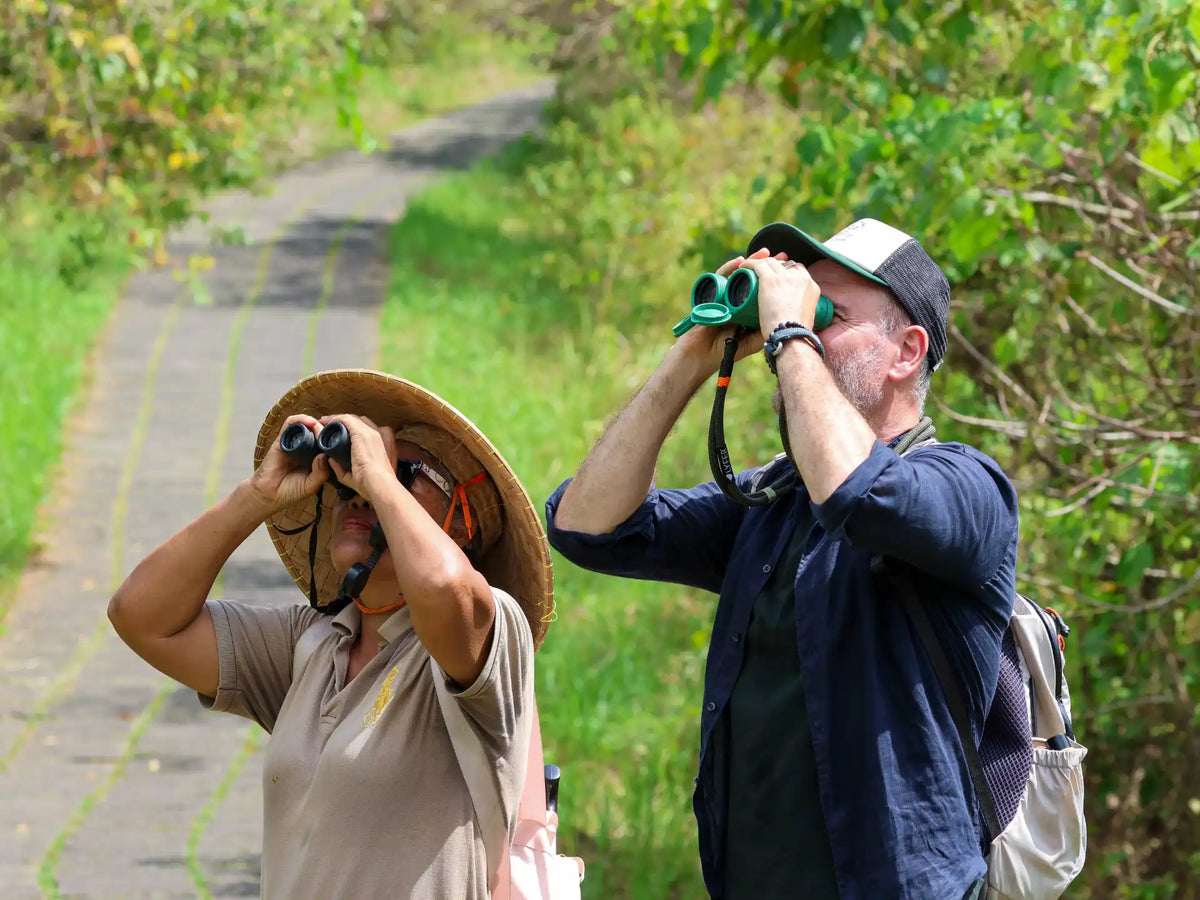
As part of launching our new LYFESTYLE Birding Retreats, we've been spending the past few weeks in Ubud, exploring its birdlife, discovering some extraordinary places and meeting the local people who know this island so well.
And while we've come here to create something special for our guests, we've discovered plenty of things ourselves along the way. Things that have made us look at Bali a little differently, and that we'd love to share with you.
What makes birdwatching here particularly interesting isn't just the birds themselves, but how closely they're connected to the landscapes, people and everyday life local and tourist life on the island.

Birds are part of everyday life here
One of the wonderful things about birdwatching in Bali is that you don't always need to go looking for birds. Quite often, they'll find you, they are everywhere.
A morning coffee in a hipster cafe overlooking the rice fields usually comes with the sight of Javan Munias moving through the grasses, Pacific Swallows swooping overhead or a Yellow-vented Bulbul calling from a nearby tree. And what a call it is! The soundtrack of Ubud.
Walk through the rice fields along Ubud's Sweet Orange Walk and there's a whole world to discover between the narrow pathways, palms and cultivated terraces. Cattle egrets wander knee deep in the rice fields, while zebra doves serenade gently.
Then there's Campuhan Ridge (pronounced Cham-pa-waarn), one of Ubud's most beautiful walks, where the landscape opens into green valleys and lush tropical vegetation vista’s. It's the kind of place where you can enjoy a wonderful morning outdoors, whether you're carrying binoculars or simply taking in the scenery.
Some of these birds are common here, but for visitors from Australia, even the everyday species can be exciting new additions to a life list.
Take the Javan Munia, for example. This small, social bird is closely associated with cultivated landscapes and can often be found feeding on grass seeds and grains. They're a familiar sight in parts of Bali, yet for someone visiting from the other side of the world, that first encounter is something special. And what we learnt while putting the finishing touches on LYFESTYLE is that many of the urban locals had no idea what they were! Now they do 🙂
And that's part of the joy of birdwatching somewhere new, especially abroad, what might be an ordinary bird to a local can be an extraordinary discovery for a visitor.

A little further afield, things get interesting
Of course, Ubud has plenty to offer those who enjoy the excitement of searching for something a little more elusive.
Travel into the cooler highlands around Bedugul and the landscape changes dramatically. The Bali Botanic Garden, one of the stops of LYFESTYLE, is surrounded by mountain scenery, with towering trees, shaded rolling paths and vegetation that supports a very different community of birds.
But there's more to these gardens than their natural beauty. Along the pathways, impressive statues tell stories from the ancient Hindu epic, the Ramayana. Among them is the striking Kumbakarna Laga sculpture, depicting a giant warrior battling an army of monkeys. It's another reminder of how deeply history, culture and nature are woven together in Bali, and how even a morning spent birdwatching can reveal so much more about a place.

Hiding in the gardens are species such as the Javan Whistling-thrush, Flame-fronted Barbet and Little Pied Flycatcher that are among the possibilities that make birding in Bali's highlands so appealing and exciting.
The Javan Whistling-thrush is particularly interesting. Found in the mountains of Java and Bali, this dark, blue-toned bird belongs to a group known for their remarkable whistling calls. Spotting one among the forest vegetation would be a memorable encounter for many visiting birders.
We dead in another direction, towards the coast, and there's yet another world to discover. A world that many, not even the locals venture too.
The Unda River Mouth, on Bali's south-eastern coast, brings together river, wetland and coastal habitats. Historically, birders have recorded everything from herons and bitterns to crakes, waders and the rather extraordinary Greater Painted-snipe.
This is where the knowledge of experienced local birding specialists becomes invaluable. They understand the habitats, recognise the calls and know where to look, often revealing birds that might otherwise go completely unnoticed.
Like any bird walks, while no particular sighting is ever guaranteed, the anticipation of what might be around the next bend is half the fun. Beyond, taking a moment to remind ourselves where we are, as we wipe humid sweat from the brow!
For experienced birders, there are opportunities to search for species they've long wanted to see. For those newer to birdwatching, it's a chance to discover just how exciting this world can be.

Where birds, culture and conservation meet
One of the most fascinating things about exploring Ubud through its birds is discovering the relationship between nature and the people who live here. Rice fields aren't simply beautifully curated landscapes, they're working environments, part of Bali's agricultural heritage and with it brings some extraordinary variety of wildlife.
Birds feed among the crops, insects and grasses. Farmers work within these landscapes every day. And traditional practices have shaped how people interact with the land for generations. There are magical moments where farmers work alongside cattle egrets, one tending to the field, the other seeking opportunities for something to eat.
One place bringing these connections together in a particularly meaningful way is Begawan, Ubud.
At Begawan Biji, regenerative agriculture is helping demonstrate how farming and biodiversity can exist alongside one another. By growing rice without chemical pesticides and fertilisers, the project aims to support healthier soil, water, wildlife and livelihoods.

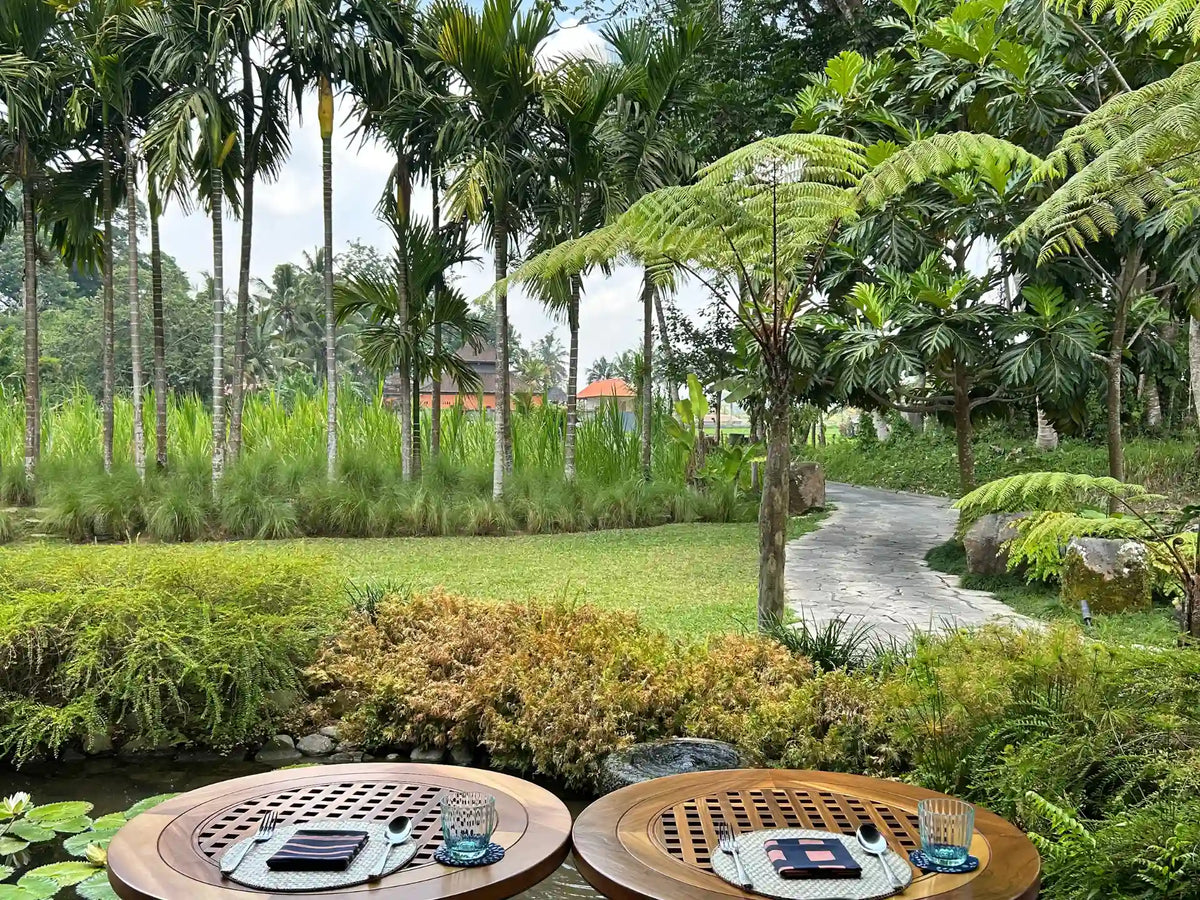
Here, a meal overlooking the fields becomes an opportunity to understand where the food comes from, meet some of the people behind it and discover the birds sharing the landscape.
But Begawan is also home to one of Bali's most remarkable conservation stories.
The Bali Myna.
With its brilliant white plumage, striking blue skin around the eyes and elegant crest, the Bali Myna, also known as the Bali Starling, is unmistakable.
It's also critically endangered and naturally found nowhere else on Earth. For decades, habitat loss and illegal trapping pushed this beautiful bird towards extinction in the wild.
Since 1999, the Begawan Foundation has been working to help secure its future through a dedicated breeding and release programme. There is something extraordinary about the work involved.
At the breeding centre, birds are carefully paired and monitored, their chicks raised and prepared for a future beyond the safety of their enclosures. Before being released, they spend time adapting to their surroundings, and once free, their progress continues to be monitored.
Some of the released birds have since established themselves around Begawan's rice fields, gardens and neighbouring communities, where they have nested and produced offspring.
What's especially encouraging is the role local people play in protecting them. Community education and traditional village regulations have become important parts of the conservation effort, recognising that protecting a species requires more than simply breeding more birds.
It's about creating a future in which birds and people can thrive together.
And to us, that's a story worth travelling to hear, and passing forward.

Discovering Bali differently
What we've enjoyed most about spending time exploring Ubud and the surrounding areas, isn't simply the birds we've encountered. It's how they've introduced us to places, people and stories we might otherwise have missed.
A walk through rice fields becomes a lesson in the landscape, while a morning in the forest introduces us to an entirely different side of the island. Our conversations with a local birding specialist reveals something fascinating about a species we've just seen.
We're constantly reminded that birdwatching isn't always about heading out on a designated walk. It's about being tuned into the birds wherever we are and this is the point of travelling as bird enthusiasts. Even sitting down to a beautiful lunch becomes something more when you're aware of the birdlife around you. Although, admittedly, conversations can take a little longer when someone keeps interrupting to call out a bird they've just heard or spotted!
It's this combination of experiences that has inspired us to create LYFESTYLE Birding Retreats, a new travel experience from LYFER. It's how so many of us already enjoy birding, so we thought, why not create a retreat around it? A chance for like-minded people to come together, discover somewhere new and share the experiences that make travelling with birds so special.

In March 2027, we'll be hosting our first two small-group retreats in Ubud, bringing together birdwatching with local flavours, culture, nature, conservation, creativity and wellbeing.
Over six days, we'll explore some of the places we've shared here, spend time with local birding specialists, meet the people behind important conservation work and enjoy the food, landscapes and experiences that make Bali such a fascinating destination.
There's plenty for experienced birders to get excited about, but you certainly don't need to be an expert to join us, and curiosity is a wonderful place to start.
Discover LYFESTYLE Birding Retreats — Ubud, March 2027